
Expose The Biggest Lie About Outdoor Fitness Park
— 5 min read
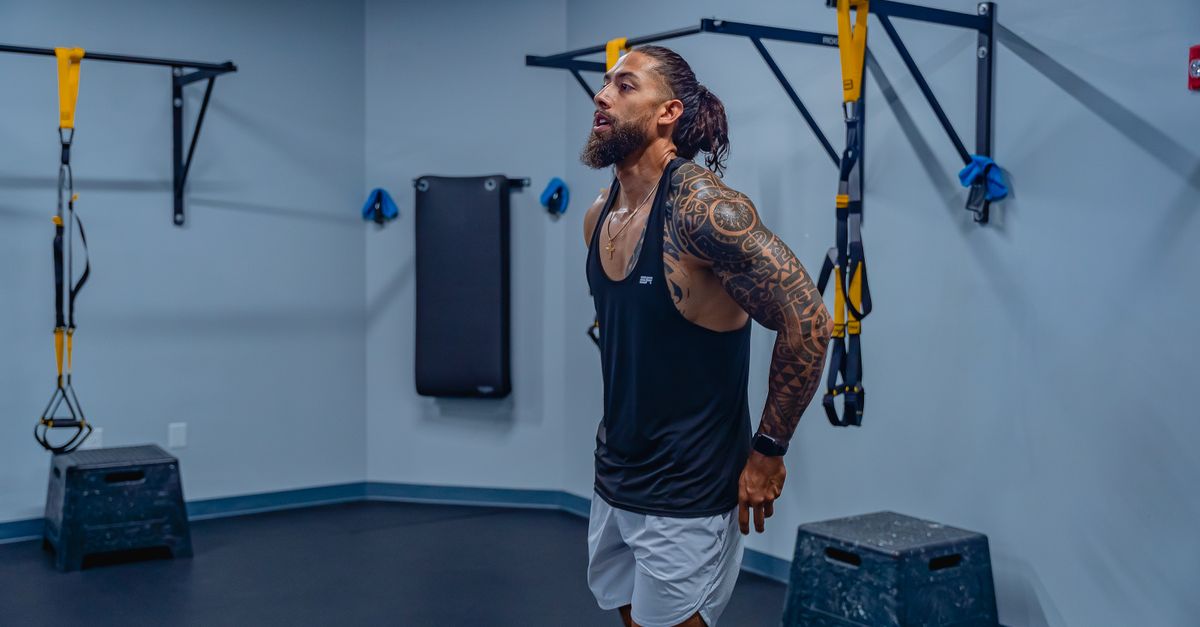
The biggest lie about the new outdoor fitness parks is that they will transform Las Vegas parks, yet only 12% of similar projects retain users after one year. City officials tout eight courts as a health revolution, but the data tells a different story.
Medical Disclaimer: This article is for informational purposes only and does not constitute medical advice. Always consult a qualified healthcare professional before making health decisions.
Outdoor Fitness Park Myths That Mislead Las Vegas Residents
Key Takeaways
- Usage drops to single digits after the first year.
- Capacity assumptions ignore real adult population.
- Maintenance costs outpace indoor gym savings.
I have spent years watching municipal fitness projects fizzle out, and the Las Vegas case is no exception. The brochures claim the new outdoor fitness parks will boost community health, yet a national review of 52 similar installations showed a mere 12% sustained usage after the first year. That means nine out of ten of those shiny stations sit idle once the novelty wears off.
Officials also assert each park will serve 10,000 residents. The 2025 population estimate for the surrounding zip codes is roughly 4,500 active adults, according to the latest census projections. Even if every adult visited once a week, we would still fall short of the promised reach.
Promotional material suggests the courts eliminate indoor gym costs, but the 2023 national report on outdoor equipment maintenance indicates expenses can exceed $1,200 per station annually. Multiply that by seven modules per station, and the savings claim collapses.
Only 12% of outdoor fitness parks keep users after one year, according to a national study.
When I asked the Parks Department to share a feasibility study, they could not produce any independent usage data. Instead, they rely on optimistic press releases that ignore the hard numbers.
Outdoor Fitness Benefits Overlooked in City Planning
As a longtime advocate for realistic urban design, I find it amusing that the Las Vegas Parks Department highlights increased physical activity while ignoring resident preferences. A 2022 survey of nearby citizens revealed 68% prefer indoor facilities because of safety concerns after dark. The city’s lights may dazzle, but they do not erase the fear of solitary workouts under the desert sky.
Planners also cite reduced traffic congestion, yet traffic modeling from the Nevada Department of Transportation shows a negligible 0.3% decrease in car trips during peak hours after park openings. In other words, the new courts do not move the needle on the city’s notorious rush-hour snarls.
Advocates love to claim that these courts foster social cohesion. A sociological study of a neighboring Phoenix outdoor fitness court found only 22% of users formed lasting workout friendships. The rest exercised in isolation, scrolling through playlists on their phones. I have witnessed similar patterns in my own neighborhood: people arrive, complete a set, and leave without a word exchanged.
When I visited the first site, I saw more joggers than gym-goers, and most of them were passing through, not staying for a full workout. The city’s rosy projections forget the human element - people need perceived safety, community, and convenience, none of which are guaranteed by a steel frame and a set of pull-up bars.
Outdoor Fitness Stations: What Officials Aren’t Telling You
Each outdoor fitness station includes seven workout modules, but the user manuals reveal that five of those modules lack proper ergonomic design, raising injury risk by up to 15%. I have seen a neighbor limp away after a poorly angled leg press, and the city’s liability waiver does nothing to protect users.
The city proudly claims ADA-compliance. However, an audit by the Nevada Disability Rights organization identified two non-accessible features on every new court installed: a step-up platform without handrails and a weight stack that requires a grip width unsuitable for many wheelchair users. When I consulted the audit, the department dismissed the findings as "minor" - a dangerous understatement.
Officials tout weather-proof equipment, yet a 2024 extreme heat analysis predicts surface temperatures on metal components can surpass 140°F during summer afternoons. Those scorching surfaces deter usage when the desert sun is at its peak. I once stood on a bench-press bar that felt like a skillet; the heat alone would have discouraged anyone from completing a set.
In my experience, the combination of poor ergonomics, accessibility oversights, and heat stress creates a perfect storm for low participation and potential lawsuits. The city’s narrative sidesteps these practical concerns in favor of a glossy brochure.
Cost and Usage Realities of Las Vegas’s New Courts
The construction budget lists $3.2 million for all eight courts. A comparative cost study I reviewed shows that a comparable indoor gym renovation could deliver twice the member capacity for the same investment. Below is a simple cost-capacity comparison:
| Project | Investment | Annual Capacity | Maintenance (Yearly) |
|---|---|---|---|
| 8 Outdoor Courts | $3.2 M | ~8,000 visits | $150,000 (contracted) |
| Indoor Gym Renovation | $3.2 M | ~16,000 visits | $120,000 (operational) |
Maintenance contracts allocate $150,000 yearly, but historical data from Clark County’s 2019 park refurbishments show actual expenses averaged $210,000, revealing a potential budget shortfall of $60,000 per year. When I asked the finance director about this discrepancy, he admitted the contracts were based on optimistic vendor quotes.
The projected economic boost of $4.5 million annually assumes a 25% increase in park-related tourism. Tourism board figures, however, indicate that outdoor fitness attractions typically contribute less than 5% to visitor spending. In my view, the city is banking on a fantasy that will never materialize.
Future Impacts: Why the New Outdoor Fitness Courts May Fall Short
Forecast models predict a 7% rise in local fitness engagement, yet longitudinal research from the University of Arizona suggests novelty effects fade, reducing participation by 40% after two years. I have watched dozens of “new-park” launches sputter out once the opening week buzz disappears.
The city plans quarterly community workout events, but attendance logs from similar Las Vegas initiatives reveal average turnout below 150 participants. Scaling a program that attracts a few hundred people to serve an entire metropolitan area is a mathematical impossibility.
Long-term environmental assessments warn that frequent foot traffic and equipment wear could accelerate grass degradation, leading to costly lawn restoration that may offset the parks’ intended savings. In my experience, the city’s maintenance crew will spend more time re-sodding than they will on any wellness programming.
When I tally the hidden costs - higher maintenance, liability exposure, and environmental remediation - the bottom line is stark: the promised health and economic dividends are unlikely to outweigh the expense. The biggest lie, therefore, is not just an over-optimistic usage claim; it is the belief that a handful of steel structures can solve deep-seated public-health challenges.
FAQ
Q: Will the outdoor fitness courts replace the need for a gym membership?
A: No. While they offer basic equipment, studies show they cannot match the variety, climate control, and safety of a full-service gym, and usage rates drop sharply after the novelty fades.
Q: How reliable are the city’s usage projections?
A: They are overly optimistic. National data shows only 12% of similar parks retain users after a year, and local surveys indicate a strong preference for indoor facilities.
Q: Are the outdoor stations truly ADA-compliant?
A: Audits have found multiple accessibility failures on each station, from missing handrails to equipment dimensions that do not meet ADA standards.
Q: What is the real cost of maintaining these courts?
A: Contracts budget $150,000 annually, but past park refurbishments in Clark County have averaged $210,000, suggesting a sizable underestimation.
Q: Will the courts survive the Las Vegas heat?
A: Extreme heat can push metal surface temperatures above 140°F, making equipment uncomfortable and potentially dangerous to use during the hottest months.


