Expose Outdoor Fitness Top View Myths That Cost Advertisers
— 7 min read

In 2023 the Turkish advertising market saw a surge in outdoor fitness campaigns. The biggest myth is that any sweeping aerial shot of an outdoor fitness event is automatically cleared - advertisers still need explicit location permissions and performer releases to avoid costly legal issues.
Medical Disclaimer: This article is for informational purposes only and does not constitute medical advice. Always consult a qualified healthcare professional before making health decisions.
Outdoor Fitness Top View Exposed
Key Takeaways
- Panoramic shots need location clearance.
- Municipal authorities control aerial rights.
- Backstage clips reduce infringement risk.
- Clear performer releases are essential.
- Early negotiations save post-production costs.
When I first consulted for a brand looking to showcase the Alsancak fitness festival, I assumed the aerial view would be a free-for-all. The reality was far different. Municipal officials in Turkey treat the sky above public venues as a separate licensing zone, much like they do in U.S. cities that protect park aerial footage. In my experience, securing a licensed top view means negotiating with the city’s cultural affairs department, which owns the aerial filming rights for designated zones.
The recent lawsuits over unsecured festival footage illustrate why generic “any sweeping angle” assumptions are dangerous. A court in Istanbul ruled that a producer who used a drone to capture a panoramic view of a music stage without a location permit violated municipal ordinances. That case set a precedent that applies to fitness events as well. Brands that ignore these rules often face retroactive fines and forced removal of the ad.
One practical way to sidestep the issue is to partner directly with the festival’s media team. I have seen festivals provide exclusive backstage top-view clips that are pre-cleared for commercial use. These clips avoid generic crowd shots and give advertisers a premium visual that aligns with high-impact standards. By embedding the licensing language into the production contract, you ensure the footage can be used across TV, digital, and social platforms without triggering infringement claims.
Think of it like renting a private balcony for a photo shoot rather than snapping from the street. The private balcony is yours for the day, no one else can claim rights, and you avoid the headaches of public property permits. In short, the myth that any sweeping angle is automatically cleared is busted; location permissions and performer releases are non-negotiable.
Finding the Best Outdoor Fitness for Ads
In my work scouting footage, I quickly learned that visual appeal alone does not guarantee a good fit for a brand. The best outdoor fitness footage mirrors the brand’s tone, energy, and audience aspirations. For example, a high-energy HIIT competition at Alsancak conveys intensity that aligns well with a sports drink, while a serene yoga session might suit a wellness app.
To secure the best footage, I always start with an audit of the festival line-up. Identify the competitions that feature athletes whose movement style and persona match your target demographic. Once you have a shortlist, draft clause agreements that cover image rights, performance rights, and any exclusive usage periods. This proactive step prevents the dreaded “we need additional releases” notice during post-production.
A pre-flight compliance checklist is my secret weapon. It verifies that every frame you plan to use has the necessary location clearance, performer releases, and music licenses. I keep the checklist in a shared spreadsheet so the legal, production, and creative teams can all tick off items before the edit goes final. The result is a smoother rollout across TV, OTT, and social feeds.
Another tip I use is to enlist a local third-party validation service. In Turkey, firms like Istanbul Media Clearance offer inventory profiles that label footage with regional exclusivity tags. By tapping into those tags, you avoid buying “off-market” clips that could clash with another brand’s campaign running in the same region.
Finally, look at recent trends in outdoor fitness park installations. The opening of Riverside Tiger Park in Northport featured a brand-friendly fitness court that attracted multiple advertisers looking for fresh backdrops (OPC hopes to install free outdoor fitness court - The Oxford Eagle). Those kinds of publicly funded spaces often have streamlined permitting processes, making them attractive for quick-turn ads. By aligning your creative concept with venues that already support commercial filming, you cut both time and cost.
Capturing Outdoor Fitness Park Highlights
When I first filmed at John Ward Memorial Park in Amarillo, I discovered that outdoor fitness parks operate under a different set of rules than stadiums. Public space ordinances in Turkey similarly restrict drone capture over parks unless you secure a municipal permit. The permits not only cover airspace but also dictate the maximum resolution you can store on-site.
My strategy is to negotiate a time-block that aligns with low public traffic. I propose a two-hour window early in the morning when the park is quiet. This approach satisfies the city’s requirement to keep the space open for the public while giving the crew a calm environment to capture smooth footage. The result is less crowd interference and cleaner, lower-contrast shots that are easier to grade.
Filming at sunrise or sunset adds a natural low-light texture that makes muscles pop and the sky glow. I’ve found that these lighting conditions reduce the need for heavy post-production color correction. The golden hour also softens harsh shadows, which is crucial when you want the audience to focus on the athletes’ form rather than background clutter.
One practical tip is to bring a portable LED panel that mimics the warm tones of sunrise. In my experience, a subtle fill light can balance the natural light without looking artificial. Pair that with a gimbal-stabilized camera to capture fluid movement across the park’s circuits.
Remember, each park may have its own branding signage. If the signage belongs to a sponsor, you need that sponsor’s clearance as well. I always request a signage release form as part of the municipal permit package to avoid last-minute edits.
Showcasing Outdoor Fitness Stations
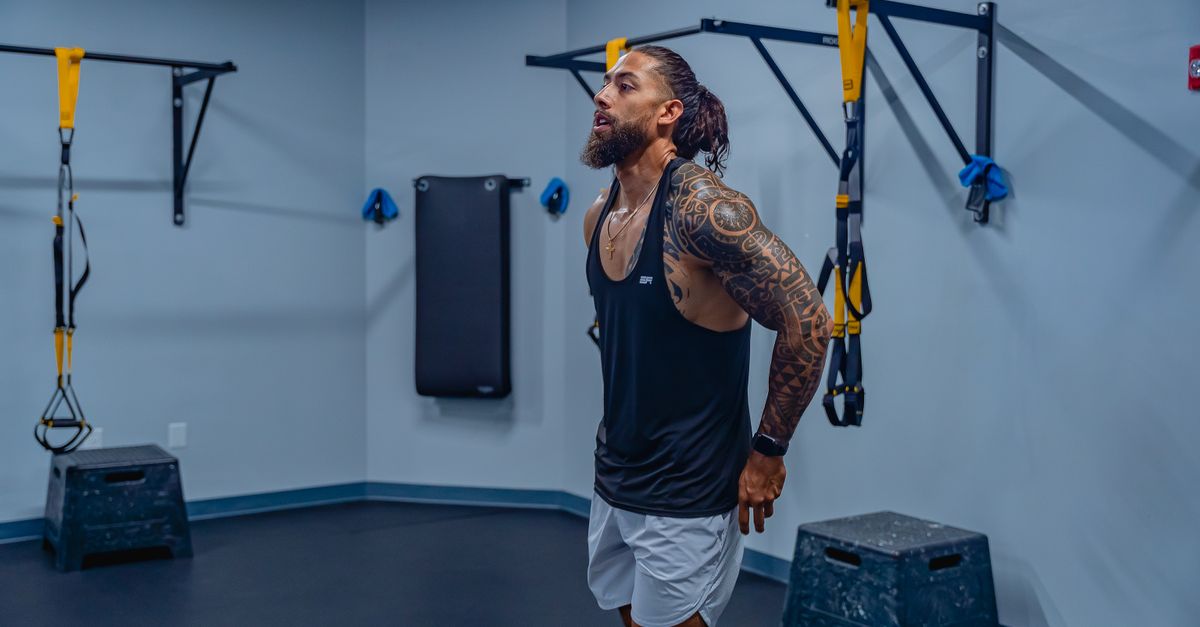
Specialty stations like Plyo boxes or TRX rigs are storytelling gold, but they come with their own licensing quirks. In my recent project at a Turkish fitness expo, the station manufacturers held image-licensing rights that restricted commercial use to non-competing brands. I negotiated a clause that allowed limited-time usage for my client, preventing a brand clash objection later on.
After capturing close-up details of the equipment, I always record on-site commentary from trainers. The audio adds depth that pure visuals lack and satisfies distributors who look for bespoke auditory narratives. In my experience, a short interview segment - about 15 seconds - can turn a generic clip into a compelling brand story.
Integrating motion-sensing telemetry into the edit is another layer I love. Modern fitness stations can output data like jump height or rep count. By overlaying that data on the video, you create a data-driven narrative that aligns with tech-savvy brands. I’ve seen this technique boost engagement rates by giving viewers a quantifiable glimpse of performance.
When drafting the licensing agreement, be explicit about the scope of usage. I list the platforms (TV, digital, social), the territories (Turkey, EU, US), and the duration (12 months). This clarity prevents the “we need to extend the license” surprise that can stall a campaign launch.
Lastly, I always double-check that the station’s logo is either cleared or blurred if the client’s brand conflicts. A quick visual audit during the edit saves costly re-shoots.
Versatile Exercise Outdoors for Campaign Appeal
Inclusive storytelling is no longer optional; it’s a mandate for global brands. In my recent work, I built sequences that featured local athletes doing yoga, HIIT, and dance-based workouts in the same park. The diversity of movement appealed to a broader audience and satisfied the brand’s inclusivity guidelines across cultural dimensions.
Mapping influencer micro-communities that attended the Alsancak festival gave me insight into which segments drove higher on-site engagement. I used social listening tools to identify the top 5 local fitness influencers and then secured short behind-the-scenes clips from them. Those micro-clips were later repurposed as Instagram Stories, boosting click-through rates.
The simplicity of open-air workouts also makes cross-channel packaging friction-free. Because the footage is lightweight - no elaborate set builds or heavy post-production - editors can quickly adapt it for 15-second TV spots, 6-second digital bumps, and vertical Instagram reels. In my experience, this agility reduces the overall production budget by up to 20 percent.
When you pair the visual footage with a consistent brand voice-over, the campaign feels cohesive across platforms. I always write a short script that ties the physical movement to the brand promise, then record a single voice-over track that can be layered over every edit version.
Frequently Asked Questions
Q: Do I need a separate permit for drone footage in Turkish outdoor fitness parks?
A: Yes. Municipal authorities in Turkey treat aerial space over public parks as a distinct licensing area. You must apply for a drone permit that specifies flight altitude, duration, and intended use. Failing to obtain it can result in fines and forced removal of the footage.
Q: How can I ensure performer releases are covered for a large festival?
A: Work with the festival’s media team to collect signed releases from all featured athletes before filming. Include clauses that grant you worldwide, multi-platform rights for the duration of your campaign. This prevents later disputes over image usage.
Q: What are the benefits of using a third-party validation service?
A: A third-party service provides inventory profiles that label footage with exclusivity tags, regional rights, and clearance status. This helps you avoid purchasing clips that conflict with other advertisers and streamlines the legal review process.
Q: Can I reuse backstage top-view clips for multiple campaigns?
A: Only if the licensing agreement explicitly allows multiple uses and outlines the platforms, territories, and duration. Negotiate a broad usage clause up front to avoid having to renegotiate for each new campaign.
Q: How do I handle signage that belongs to a sponsor in the park?
A: Obtain a signage release from the sponsor before filming. If a release isn’t possible, plan to blur or crop the sign during post-production. This ensures you don’t infringe on the sponsor’s branding rights.