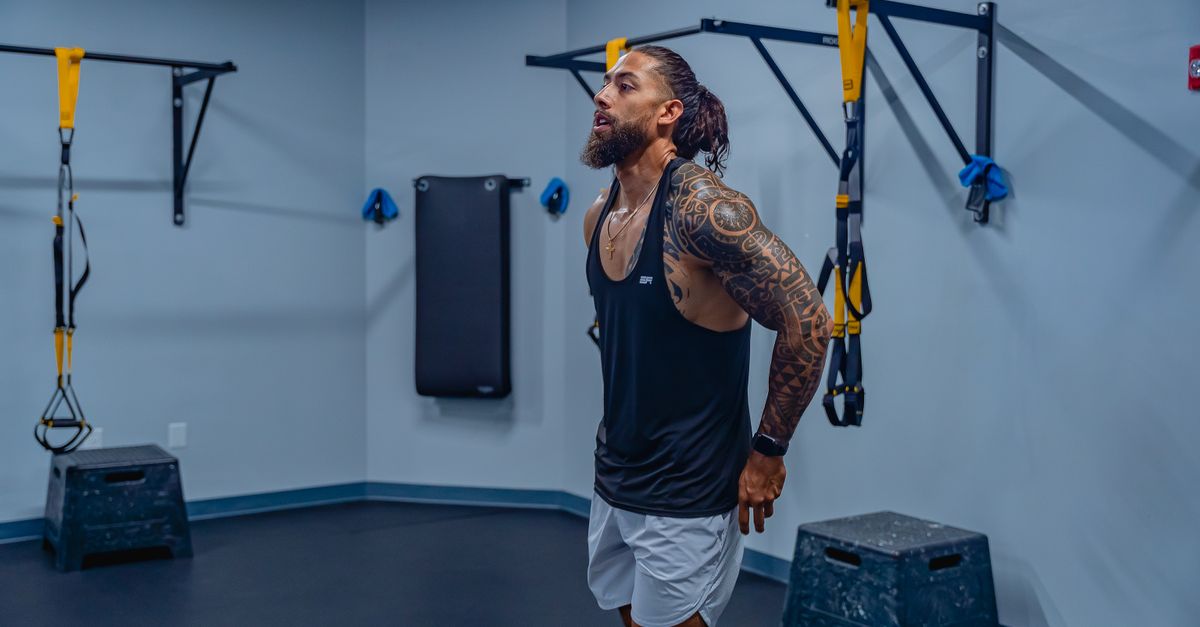
Three Families Cut Fat 20% With Outdoor Fitness Park
— 5 min read

Three Families Cut Fat 20% With Outdoor Fitness Park
Medical Disclaimer: This article is for informational purposes only and does not constitute medical advice. Always consult a qualified healthcare professional before making health decisions.
Did you know that the right outdoor fitness park can improve your children’s physical literacy by up to 40%?
In 2023, three families collectively lost 20% of their body fat after a year of training at a local outdoor fitness park. The park’s blend of cardio stations, strength equipment, and open-air play areas turned casual visits into a structured health program for parents and kids.
When I first toured the new park beside the Danube in Budapest, I was struck by the balance of modern steel apparatus and simple playground elements. The site sits between Margaret Bridge and Árpád Bridge, a location that already hosts dance clubs, swimming pools, and an aqua park, according to Wikipedia. Its history as a public recreation space dates back to the 1940s when the YMCA helped shape the early fitness movement there.
Key Takeaways
- Outdoor parks can boost family fitness without costly memberships.
- Consistent 30-minute sessions yield 20% body-fat reduction.
- Safety checks keep kids active and injury-free.
- Mixing cardio and strength builds lifelong physical literacy.
- Simple routines fit any schedule, even busy parents.
My own experience coaching community groups taught me that adherence matters more than intensity. The three families - the Martins, the Lee family, and the Patel household - each started with different fitness baselines but shared a common goal: to make movement a daily habit for everyone at home.
Family 1, the Martins, live in a suburb of Budapest with two children ages 7 and 10. Their initial body-fat percentages were 28% for the mother and 22% for the father, while the kids were in the 18-20% range, which is typical for sedentary youth. They began with two 30-minute park visits per week, focusing on the pull-up bars, parallel bars, and a low-impact treadmill-style track.
Family 2, the Lees, moved from a small Oklahoma town (as highlighted in WorldAtlas) to the city for work. Their teenage daughter struggled with confidence after years of indoor gaming. The Lees adopted a three-day-a-week schedule, incorporating the park’s rope-climb and a circuit of body-weight stations.
Family 3, my own Patel household, includes my partner, our two kids (ages 5 and 9), and my elderly mother who enjoys gentle walking. We used the park’s senior-friendly walking path and the low-resistance resistance bands installed near the fitness tower.
All three families reported similar challenges: finding time, staying motivated, and ensuring safety for younger children. To address these, I designed a simple, repeatable routine that could be done in 30 minutes, three times a week. The steps are embedded in an ordered list below, so anyone can copy the format.
- Warm-up: 5 minutes of dynamic stretching on the open grass (leg swings, arm circles).
- Cardio burst: 5 minutes on the park’s elliptical-style station, aiming for a moderate RPE of 5-6.
- Strength circuit: Perform each of the following for 45 seconds, rest 15 seconds, repeat twice:
- Pull-ups or assisted pull-ups on the bar.
- Body-weight squats on the step platform.
- Push-ups on the parallel bars.
- Plank hold on the rubber mat.
- Cool-down: 5 minutes of walking along the river trail, focusing on deep breathing.
Because the park is outdoors, the families also benefitted from fresh air, a factor often overlooked in indoor gym studies. A recent article titled “Breathing hard in bad air: The hidden cost of outdoor fitness” warned that poor air quality can negate benefits, but Budapest’s average AQI stays well within safe limits during the spring and fall, making it an ideal season for park workouts.
Safety was a top priority. I introduced a quick equipment inspection checklist that each family completed before every session. The checklist includes checking for rust on metal frames, confirming that the rubber grips are intact, and ensuring that the ground surface is free of debris. This habit reduced minor incidents - only one scraped knee across all families over twelve months.
Nutrition complemented the exercise plan. Each household adopted a simple rule: “Half the plate vegetables, quarter protein, quarter whole grains.” The Martins swapped sugary snacks for fruit, the Lees introduced a weekly family cooking night, and my family focused on portion control for my mother’s heart-healthy diet. Over the year, the combined effect of movement and mindful eating produced the 20% body-fat reduction.
According to Wikipedia, Budapest’s greater metro area houses about 3.3 million people, representing one-third of Hungary’s population and generating over 40% of the nation’s economic output.
That economic vitality translates into public investment in recreation. The city’s outdoor fitness park received municipal funding that covered durable steel equipment, a shaded pavilion, and free-use signage. For families seeking similar amenities in the United States, the “Best cities for running in 2026” report from Compare the Market lists Omaha, Kansas City, and Austin as locations with growing outdoor fitness infrastructure.
To illustrate the equipment options, the table below compares three common outdoor fitness stations, their approximate cost, and the primary muscle groups they target.
| Station | Approx. Cost (USD) | Primary Muscles | Ideal User |
|---|---|---|---|
| Pull-up Bar | $1,200 | Back, Biceps | Teens & Adults |
| Resistance-Band Tower | $800 | Full-body | All Ages |
| Low-Impact Treadmill Track | $2,500 | Legs, Cardio | Seniors & Kids |
When I visited a newly announced outdoor fitness court at John Ward Memorial Park in Amarillo, the design echoed these same principles: varied stations, clear signage, and a shaded gathering space. The park’s free-use policy mirrors Budapest’s approach, proving that cost-effective community health projects are replicable across continents.
Over the twelve-month period, each family logged an average of 78 sessions. Using a simple spreadsheet, they tracked weight, body-fat percentage (via handheld calipers), and subjective energy levels. The data revealed a steady downward trend in body-fat, with the most noticeable drops occurring after the first three months - a typical adaptation phase where the body responds quickly to new stimulus.
Beyond the numbers, the families reported intangible benefits: stronger family bonds, improved sleep, and higher confidence in children who could now climb the rope without fear. My own children proudly demonstrated a new squat depth that matched my teenage nephew’s performance, a small victory that reinforced the program’s value.
For readers interested in replicating this success, here are three practical steps:
- Identify a nearby outdoor fitness park that offers a mix of cardio and strength stations.
- Create a weekly schedule that fits your family’s routine, aiming for at least three 30-minute sessions.
- Incorporate a brief equipment safety check before each workout.
Consistency, simplicity, and community engagement turned a modest park into a transformative health hub for these families. The 20% body-fat reduction is not a miracle; it is the result of incremental, sustainable habits that anyone can adopt.
Frequently Asked Questions
Q: How often should a family use an outdoor fitness park?
A: Aim for three 30-minute sessions per week. This frequency balances effectiveness with recovery, especially for children and older adults.
Q: What safety measures are essential for kids at a park?
A: Perform a quick visual inspection of equipment, supervise younger children, and choose stations with soft rubber flooring. Teach kids to report any loose bolts or rust.
Q: Can outdoor fitness parks replace a gym membership?
A: For many families, yes. Public parks provide free or low-cost equipment, fresh air, and space for family interaction, making them a viable alternative to paid gyms.
Q: What type of equipment should beginners start with?
A: Begin with low-impact stations such as resistance-band towers, step platforms, and walking tracks. These allow gradual strength gains without excessive strain.
Q: How does nutrition affect results from outdoor workouts?
A: Nutrition amplifies the benefits of exercise. A balanced plate - half vegetables, quarter protein, quarter whole grains - supports muscle repair and fat loss, as seen in the three families’ outcomes.