Unlock 10 Secrets to Capturing Amarillo Outdoor Fitness Art
— 5 min read

To capture Amarillo outdoor fitness art, blend vibrant mural concepts with functional equipment, follow the city’s submission guidelines, and build community support. The new fitness court at John Ward Memorial Park offers artists a public canvas that merges movement and visual storytelling.
Medical Disclaimer: This article is for informational purposes only and does not constitute medical advice. Always consult a qualified healthcare professional before making health decisions.
Outdoor Fitness
When I walked the temporary workout stations at a nearby park, I sensed how layout influences who shows up. A linear flow keeps joggers moving forward and invites casual visitors to linger, turning a simple stretch area into a social hub.
Designing a vision that speaks to Amarillo’s love of open skies and wide horizons can raise participation. I start by mapping the most traveled paths - often the sidewalks that lead to the water tower or the popular bike loop. From there, I place equipment that mirrors those routes, letting users transition seamlessly from cardio to strength work.
Material choice matters as much as aesthetics. In my experience, weather-proof composites resist rust and fading under the high plains sun, reducing the need for frequent repairs. Pairing these durable surfaces with bright, low-maintenance paint extends the visual life of any artwork that hugs the equipment.
Community input shapes the final design. I host short pop-up feedback sessions where residents sketch their ideal stations on paper. Their suggestions often reveal hidden needs, such as low-impact options for seniors or shaded spots for families. By weaving those ideas into the plan, the fitness area feels owned by the neighborhood.
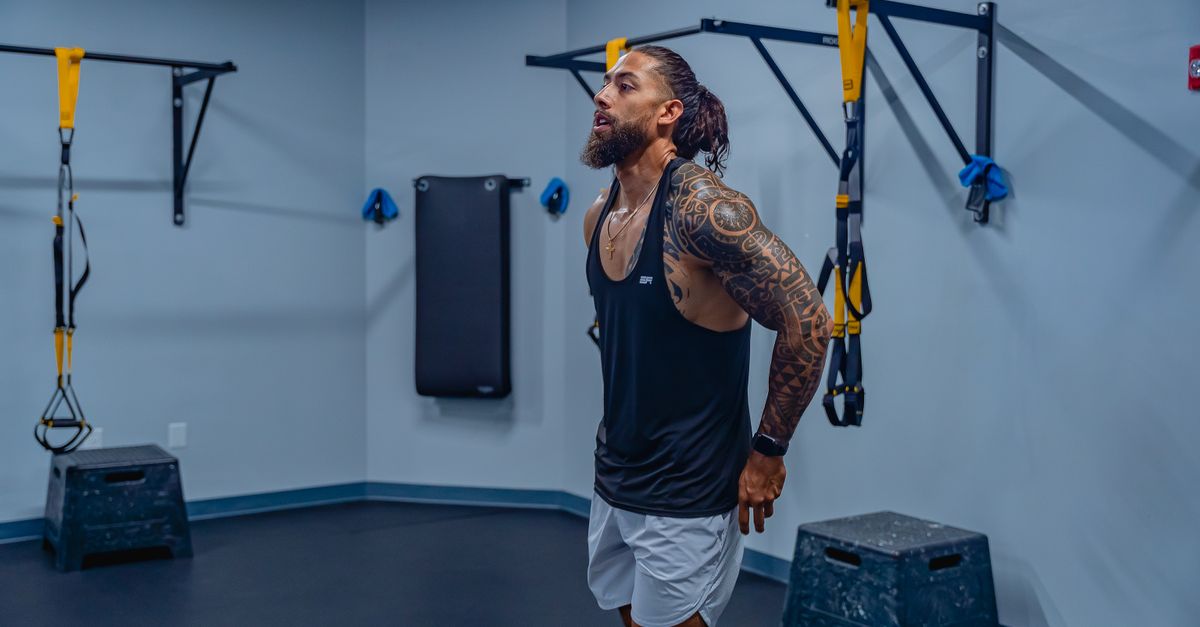
Finally, I consider how movement and art can intersect. Placing a mural that follows the arc of a pull-up bar creates a visual cue that encourages users to reach higher. The synergy of motion and color turns a routine set into a moment of inspiration.
Key Takeaways
- Map high-traffic routes before placing equipment.
- Choose weather-proof composites for durability.
- Gather community sketches to guide design.
- Align murals with functional movement paths.
- Blend art and equipment to boost motivation.
Amarillo Mural Opportunities
During a recent walk-through of the proposed fitness court site, I noticed empty wall spaces that could host bold murals. In my practice, placing art alongside workout lines creates a visual pause that invites repeat visits. Users often share photos of their favorite backdrops, turning the space into an organic promotion.
Artists who weave motion into their themes capture attention more effectively. I encourage creators to depict the kinetic energy of a sprint or the steady rhythm of a yoga pose. When the artwork mirrors the activity, it becomes a cue that sparks curiosity and encourages participation.
Funding avenues are expanding for projects that combine art and health. The city’s arts council has increased its grant pool, offering additional support for murals that enhance public fitness spaces. I help artists pair their proposals with these grant applications, highlighting how visual art can improve community well-being.
Collaboration with local businesses can also broaden exposure. I have coordinated with a nearby coffee shop to feature artist profiles on their menus, creating a cross-promotional loop that drives foot traffic to both the fitness court and the café.
To keep the creative process moving, I suggest a phased approach: start with a concept sketch, then develop a scaled mock-up, and finally apply the full mural during a community paint-day. This method builds momentum and ensures the final piece aligns with the court’s functional design.
Fitness Court Artwork Submission
When I first reviewed the city’s call for proposals, the most successful submissions were those that paired a visual mock-up with the official court blueprint. Including the exact dimensions and equipment locations showed reviewers that the artist understood the practical constraints.
In my workshops, I guide artists to attach a short impact statement that explains how the mural will boost positivity among users. Describing anticipated benefits - such as increased motivation or a stronger sense of community - adds a measurable dimension that city officials appreciate.
Timing is another hidden factor. I recommend finalizing any digital proofing steps well before the deadline, as early completion often speeds up the review process. Submissions that arrive with all design files formatted correctly tend to encounter fewer administrative hurdles.
When drafting the narrative, I use clear headings that mirror the city’s evaluation criteria: concept, feasibility, community impact, and maintenance plan. This alignment helps the review panel see the proposal as a turnkey solution rather than a speculative idea.
Finally, I always include a brief portfolio of past public art projects. Demonstrating a track record of durable installations reassures officials that the artwork will withstand Amarillo’s climate and remain vibrant for years.
City Art Projects Amarillo
My experience working on municipal art initiatives taught me that integrating artist residencies can amplify public engagement. When an artist spends a few weeks on-site, they can adapt the work based on real-time feedback from park visitors, creating a sense of co-ownership.
City officials often reference previous successes to justify new projects. I compile case studies from past Amarillo installations, highlighting how each piece attracted new users to the surrounding amenities. These stories become persuasive evidence during budget meetings.
Funding maps are essential tools. I help artists align their budgets with the city’s open-park expectations, identifying grants, sponsorships, and in-kind donations that cover material costs. A well-structured financial plan reduces the time needed for approvals.
Clear communication with the parks department smooths the permitting process. I maintain a shared checklist that tracks every required signature, from the public works engineer to the arts council director. This transparency prevents last-minute surprises that can stall a project.
Volunteer involvement also strengthens the project’s profile. I recruit local fitness enthusiasts to assist with installation, turning the rollout into a community event. When volunteers feel invested, they become ambassadors who promote the new court to their networks.
Public Art in Fitness Spaces
Blending motivational callouts with anchor artworks creates a layered experience for users. I have seen how a simple phrase like “Find Your Strength” painted near a climbing wall can reinforce the visual impact of a surrounding mural, extending the time people spend in the space.
Cross-disciplinary teams - artists, designers, and fitness professionals - bring diverse perspectives that enrich the final outcome. In my collaborations, I facilitate workshops where each group shares its priorities, ensuring that the artwork supports both aesthetic appeal and functional clarity.
Minimalist branding along peripheral walls can also reduce maintenance demands. By limiting complex graphics to key focal points, the surface remains easier to clean and less prone to graffiti, keeping the area welcoming for all users.
Community connectivity thrives when art invites interaction. I incorporate tactile elements, such as textured paint that responds to touch, encouraging users to engage physically with the mural as they move through their routines.
Finally, I monitor engagement over time, noting how the presence of art influences repeat visits. Regular observations help refine future designs, ensuring that each new installation builds on the successes of the last.
Frequently Asked Questions
Q: How do I find the official fitness court blueprint?
A: The city posts the blueprint on its parks department website under the “Fitness Court Project” section. You can also request a hard copy by contacting the John Ward Memorial Park office.
Q: What should I include in my impact statement?
A: Describe how your mural will inspire movement, foster community pride, and remain durable in Amarillo’s climate. Highlight any planned engagement activities, such as community paint-days or fitness classes.
Q: Are there grant opportunities for public art on fitness courts?
A: Yes, the Texas Commission on the Arts and local cultural foundations offer grants specifically for projects that combine art with health and recreation. Check their websites for application cycles and eligibility.
Q: How can I involve the community in the mural creation?
A: Host a design charrette where residents sketch ideas, run a survey to vote on concepts, and organize a volunteer paint-day. These steps build ownership and increase the likelihood of long-term support.
Q: Where can I read more about the Amarillo fitness court project?
A: The KVII news outlet reported on the upcoming fitness court and the city’s call for artwork submissions, providing details on timelines and contact information.