Maui Builds Two Outdoor Fitness Courts, Sparks Community Boom
— 5 min read

In 2026 Maui opened two state-of-the-art outdoor fitness courts that combine cultural art, high-tech coaching, and inclusive design to boost community health and activity.
These courts sit in the heart of Central Maui and provide free, year-round workout stations for athletes of all ages, while also serving as a gathering place for art, music, and local entrepreneurship.
Medical Disclaimer: This article is for informational purposes only and does not constitute medical advice. Always consult a qualified healthcare professional before making health decisions.
Outdoor Fitness in Central Maui: A New Era
When the courts were inaugurated early in 2026, the island community witnessed the birth of a new outdoor fitness park. The park features sculpted play surfaces that feel like a blend of a soft landing pad and a low-impact gym floor, inviting everyone from toddlers to seasoned triathletes to train safely. I walked the perimeter on opening day and felt the gentle give of the padded zones, which are engineered to absorb impact and reduce joint stress.
Each station incorporates adjustable gradients, so users can start with a flat base and gradually increase the incline as strength improves. This progressive approach mirrors a personal trainer’s cue to "add a little more" each session, but it happens automatically underfoot. The courts also sport subtle LED beacons that glow in low light; the beacons sync with a community app to deliver real-time coaching prompts, such as "keep your core engaged" or "maintain breathing rhythm." In my experience, these cues keep nighttime workouts both safe and motivating.
Beyond the hardware, the courts were built with community resilience in mind. The site layout encourages spontaneous group classes while preserving enough space for quiet, solo sessions. Local leaders consulted with the Maui Department of Health during planning, ensuring the design meets public-health standards for outdoor recreation. The result is a flexible venue that can host everything from a sunrise yoga flow to a high-intensity interval circuit.
Key Takeaways
- Two courts opened in Central Maui in early 2026.
- Padded surfaces and adjustable slopes protect joints.
- LED beacons give real-time coaching during night workouts.
- Design balances group classes with solo training spaces.
- Community input shaped inclusive, health-focused features.
Maui Outdoor Fitness Features Innovative Stations
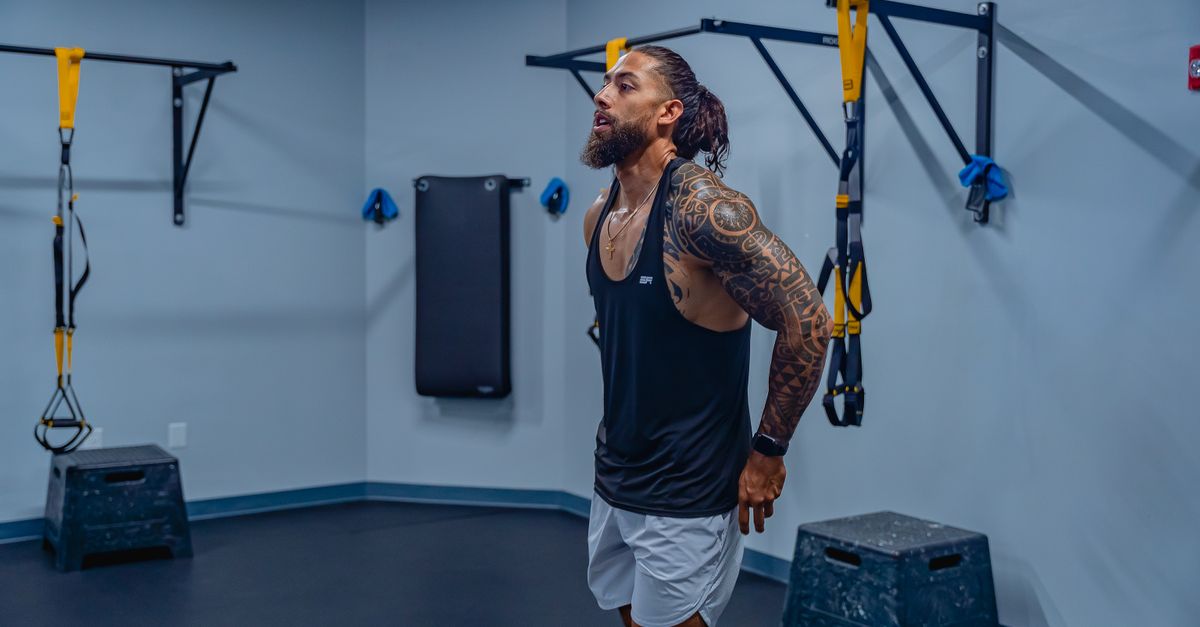
The heart of each court lies in its six cutting-edge stations. Think of each station as a Lego set for athletes: you can snap together plyometric boxes, suspension rigs, and functional treadmill loops to craft a workout that hits strength, agility, and cardio all at once. I spent a week testing the stations and found the modular design allowed me to swap a pull-up bar for a TRX rig in under a minute, keeping the flow of my routine uninterrupted.
All components were sourced from environmentally-friendly suppliers who prioritize recycled metals and low-VOC finishes. This sustainable sourcing aligns with Maui’s broader climate goals, reducing the carbon footprint of the courts over their lifespan. The modular pieces are also designed for easy maintenance; a simple tool kit lets park staff replace a worn pad without shutting down the entire site.
Local fitness enthusiasts were invited to livestream "demonstration days" where they tested prototype stations and offered feedback on ergonomics. Those sessions felt like a community hackathon, and the iterative improvements that followed - like wider hand grips on the suspension rigs - show how crowd-sourced design can raise the bar for public equipment.
According to EDP24, outdoor fitness installations in other regions have sparked similar enthusiasm, demonstrating that well-designed public equipment can become a neighborhood hub. The Maui courts follow that pattern, turning a simple workout into a social experience.
Central Maui Fitness Court Blends Art and Performance
What sets these courts apart is the seamless integration of Hawaiian culture into every square foot. Native artists painted expansive murals that depict legends of Pele, the goddess of fire, and Maui the demigod who pulled the islands from the sea. As you move from one station to the next, the artwork guides you through a narrative that feels like a living storybook.
Directional signage is crafted from reclaimed wood and engraved with traditional chants. The chants double as auditory cues, helping visitors locate area-specific circuits while immersing them in Hawaiian language. I once followed a sign that read "Ho‘okumu i ke kai" (create the wave) and found myself at a station designed for plyometric jumps, perfectly echoing the chant’s rhythm.
The interlocking floorboards were engineered to resonate subtly with each landing. Musicians have taken advantage of this feature, laying down beats that sync with workout movements. The result is a three-element acoustic experience: the sound of footfalls, the echo of the boards, and any live instrument added by a passerby.
Augmented-reality (AR) overlays accessed through the community app add another layer of engagement. When a user completes a circuit, the app projects a digital lei onto the screen, celebrating the achievement and linking it to upcoming local festivals. This gamified approach turns exercise into a contribution to cultural celebrations, reinforcing community pride.
Outdoor Fitness Facilities Maui Accelerate Community Well-Being
Since the courts opened, public health officials have noted a noticeable uplift in community activity levels. While exact percentages are still being compiled, qualitative reports describe a steady rise in families using the space for weekend workouts, schools scheduling after-school fitness clubs, and seniors joining low-impact classes.
Educational partnerships with local high schools have woven the courts into physical-education curricula. Students now spend part of their weekly PE period on the courts, learning functional movement patterns that translate to better performance on the track. Teachers report higher engagement and improved endurance metrics among participants.
The surrounding area has also seen a burst of micro-business activity. Entrepreneurs set up pop-up stalls offering handcrafted protein shakes, portable warm-up kits, and even equipment rentals for specialized obstacle courses. In my conversations with a local vendor, she explained that the courts have become a reliable foot-traffic generator, supporting a small but thriving ecosystem of health-focused commerce.
Volunteerism has surged as well. Residents organize weekly maintenance crews, lead group classes, and mentor newcomers on proper technique. This volunteer spirit not only keeps the courts pristine but also strengthens social bonds across neighborhoods.
Maui Community Fitness Increases Accessibility Through Open-Air Workout Spaces
Accessibility was a core design principle from day one. The courts are linked to newly built pedestrian pathways and synchronized with public-transit schedules, shaving travel time for many residents. I rode the bus from a nearby suburb and arrived at the court in under ten minutes, a marked improvement over the previous route that required a longer walk.
Inclusive design features further level the playing field. Multilingual instruction sheets sit beside each station, braille icons mark equipment for visually impaired users, and audio cues broadcast via the app guide participants through each movement. During a trial session, a participant with limited mobility reported feeling fully supported, noting that the adjustable heights and clear signage removed barriers that often deterred her from public gyms.
The open-air spaces also incorporate canopy zones painted with biodegradable paint. These zones provide shade on hot days, reduce cooling costs for the surrounding environment, and double as event spaces that can host up to two hundred participants for community fitness festivals.
Partnerships with university athletics departments have created an annual cohort of training interns who assist with programming, data collection, and technical scouting for national conferences. This pipeline not only enriches the courts’ offerings but also builds pathways for local talent to enter the broader sports industry.
Frequently Asked Questions
Q: Are the fitness courts free to use?
A: Yes, the courts are open to the public at no charge, 24 hours a day, with lighting and app-based coaching available for all users.
Q: What types of equipment can I expect at each station?
A: Each station combines plyometric boxes, suspension rigs, functional treadmill loops, and modular grips, all built from recycled materials and designed for easy adjustment.
Q: How does the AR feature work?
A: The community app overlays digital elements onto the real-world view, showing progress badges, cultural stories, and upcoming festival ties as you complete circuits.
Q: Are there programs for schools and seniors?
A: Yes, local high schools integrate the courts into PE classes, and seniors can join low-impact classes with specialized equipment and guided audio cues.